Exercise provides many health benefits. Regular activity such as aerobic exercise, strength training, and participating in sports contributes to a healthier body, helping to prevent a wide range of physical issues related to a sedentary lifestyle. Exercise also has a positive effect on your subjective well-being and mental health, by increasing your energy and serotonin. But did you know that a workout routine can also improve your sleep quality?
Sleep apnea is caused by a number of factors, some of them related to obesity and the cardiorespiratory system. In a severe state, obstructive sleep apnea can result in symptoms such as fatigue, daytime sleepiness, metabolic and cardiovascular disease, and cognitive impairment. There’s substantial evidence in multiple studies to suggest that being overweight increases the symptoms of these conditions. That’s why, when treating the disorder, we keep an eye on the patient’s daily habits and suggest adding regular physical exercise. While the effects of exercise on sleep apnea continue to be studied, it’s known that decreasing the fat obstructing the breathing canals can have a positive impact on sleep apnea sufferers.
Get Moving to Sleep Better
- To help you get a better night’s sleep, there are two things to consider when it comes to exercise:
When to exercise — The best time of day to exercise depends on each person’s lifestyle. Physical activity before bed, however, might work against you. Exercise gives you a boost of energy that raises your body temperature. A higher body temperature interferes with sleep because it’s harder for your body to feel drowsy. Because body temperature stays elevated for approximately four hours after you finish exercising, exercise at night can cause the opposite effect of what you want. Instead, try working out early in the morning or during the day, at least 3-4 hours before bedtime.
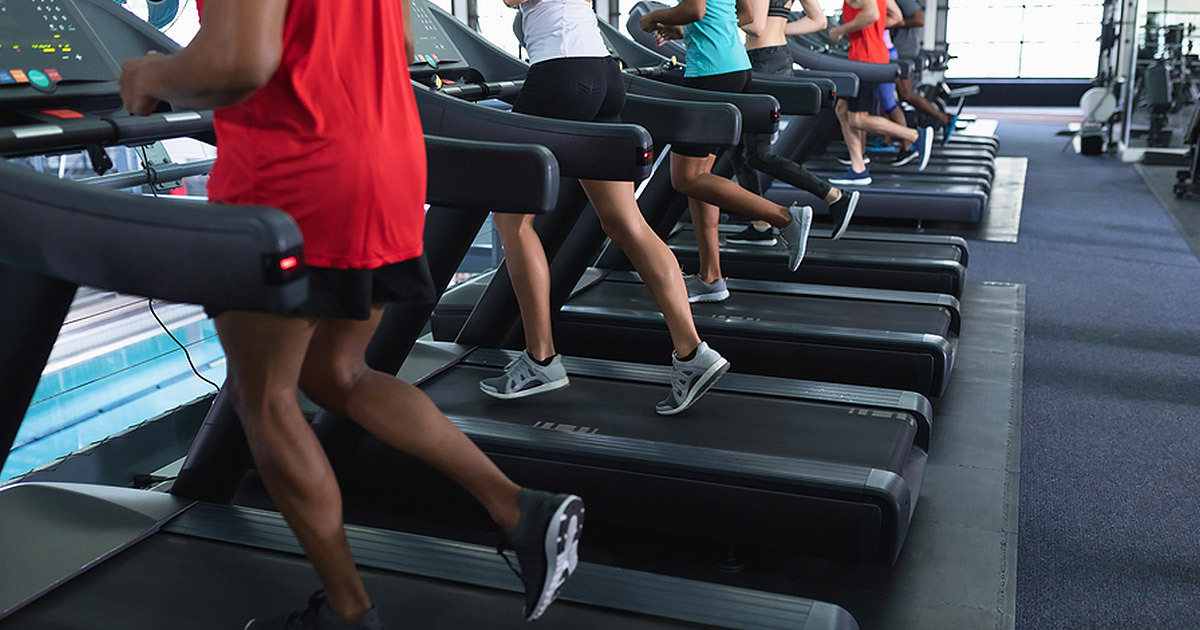
Types of exercise — The exercise style that will be successful for you depends on your current weight, physical condition, and the amount of time you have to work out. Cardio and aerobics are the best options for weight loss. You don’t have to run marathons, but consider light jogging, power walking, using a treadmill, and other types of moderate cardio. They can be combined with some weight training to help build muscle, which also speeds up your metabolism to support your weight loss goals. When it comes to frequency, exercising for 60 minutes 2–3 times a week is a good place to start. Also, if you are just starting an exercise routine, take small steps to avoid injury. With a consistent routine, you’ll be able to build strength and endurance in a short amount of time, making your workouts easier and more enjoyable as you go. - While exercise alone is not a cure for sleep apnea, it can help you lose extra weight that might be contributing to symptoms keeping you from getting a good night’s rest. Overall, building a lifestyle that includes regular activity and a healthy diet is important to your overall health and longevity.
| Tagged exercise, sleep apnea