Monday, November 2, 2026
Your Source for Dental Industry Intelligence

A practice can only outperform the person running it for so long. This section covers what happens to the doctor: the physical toll of clinical work, the mental load of ownership, burnout and how it actually starts, and what a sustainable forty-year career requires. Less about balance as a slogan, more about what keeps capable people in the profession and functioning well.

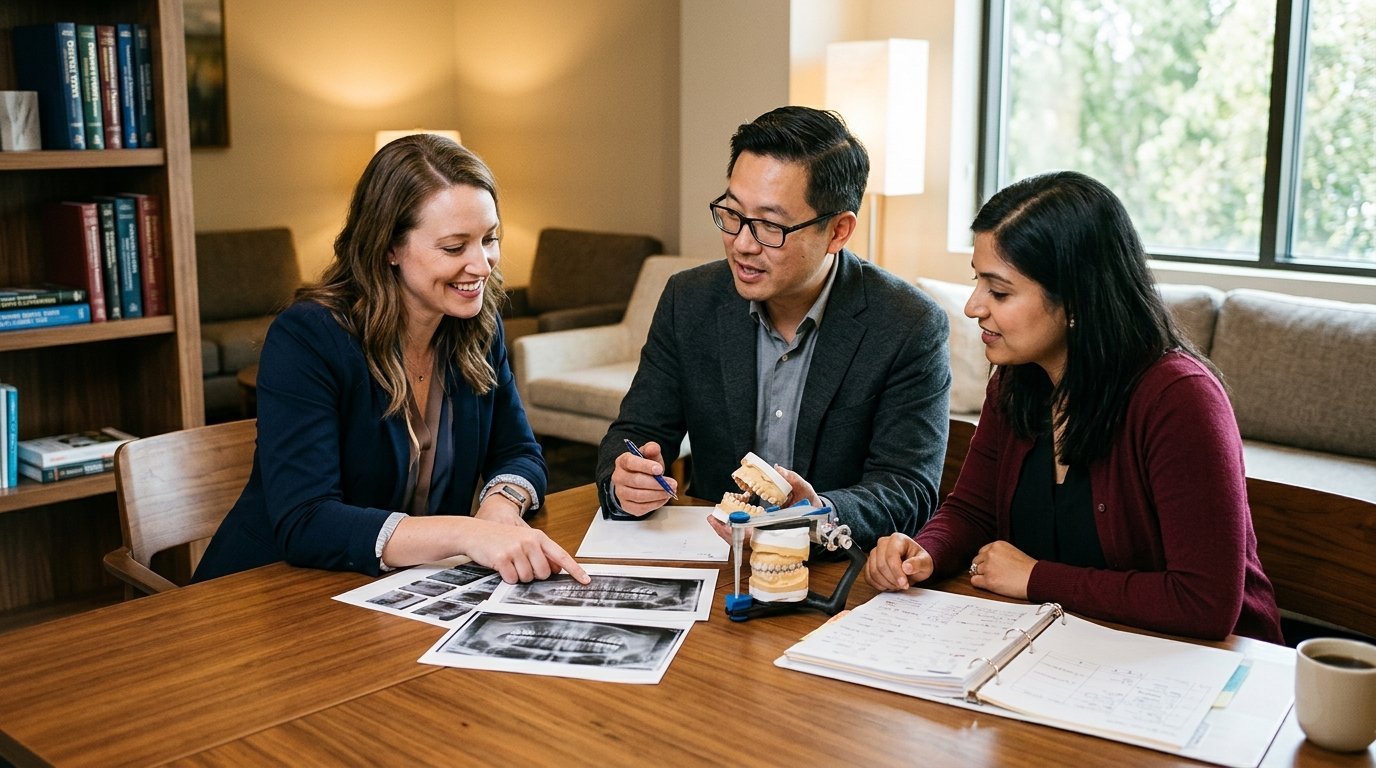
Right now, some people are waking up to realize last month’s actions (or inactions) have given way to their new realities. Instead of taking responsibility, they are justifying their “start to the year” by blaming the economy or the weather or post-holiday slump or anything (and anyone) else
Solo practice isolates in a specific way: no peer to check a call with. What addresses that, and how to get it on the calendar.
Judgment feels thinner late in a clinical day. What that looks like at the chair, and how to build a schedule that accounts for it.
Taking real time off is an operations problem, not a discipline problem. What has to be true before a practice can run without you.
Physically wrecked and mentally wired is a familiar combination in practice. What you can work on, and what belongs with a physician.
A practical sequence for the days after a case goes wrong: the patient, the record, your carrier, and then yourself.
Managing a difficult patient and managing your own reaction are separate skills. Practical approaches to both, and where the line is.
Ownership adds a kind of work that never shows on the schedule. How to see the mental load clearly and hand some of it off.
Magnification is a fit question, not a protection question. How to think about tired eyes at the chair and what to raise with an eye doctor.
Aching neck and shoulders after clinical days: what to notice, what to adjust at the chair, and when to have it assessed.